

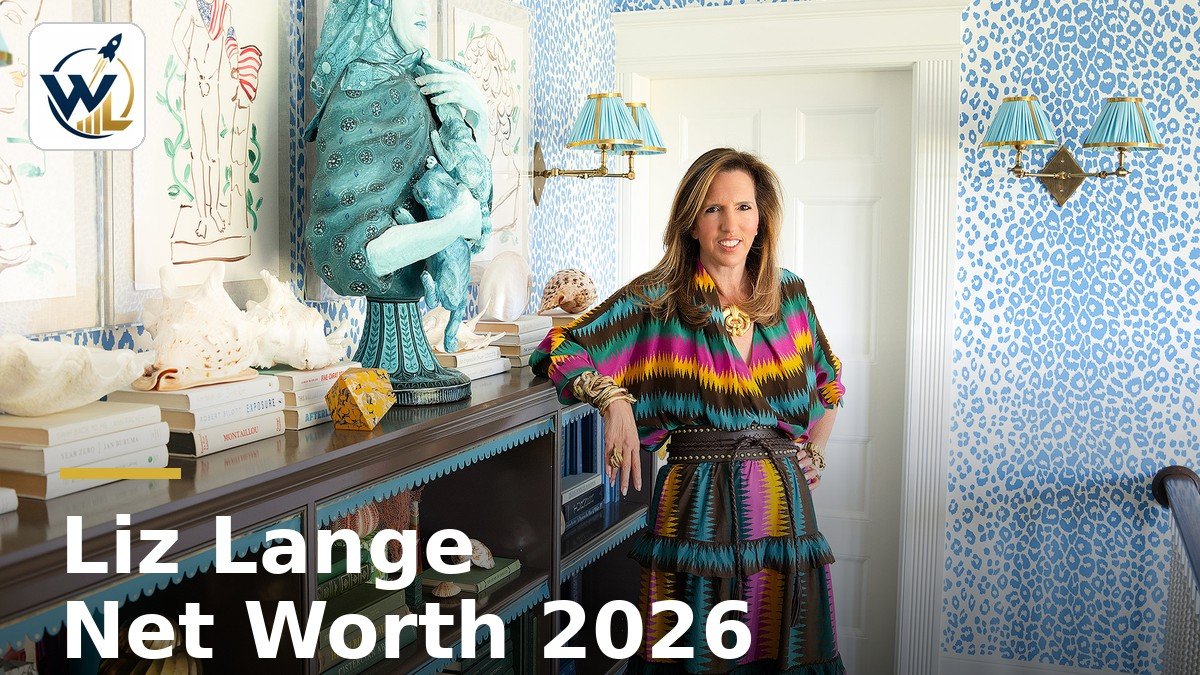
Here is the honest answer up front: Liz Lange’s net worth in 2026 is estimated at approximately $5 million. That figure comes from the most widely published estimates (IdolSheet, last updated March 2023; TopStarZone, 2023), and it should be treated as a rough, unverified estimate — not a confirmed fact. Lange has never published her finances, and no major financial publication has ever valued her fortune with real documentation.
So why does the $5 million number deserve a second look? Lange once owned one of the biggest maternity brands in America, sold a majority stake in 2007, and later bought Grey Gardens for a reported $15.5 million in 2017. The published estimate and the reported assets do not sit easily together.
Liz Lange is the fashion designer who made maternity clothes fashionable. Before she started Liz Lange Maternity in 1997, pregnant women in America mostly had shapeless, oversized clothes to choose from. Lange changed that — then reinvented herself twice, first on HSN, then as CEO and creative director of the resort-wear brand Figue.
In This Article
- Who Is Liz Lange?
- Liz Lange Net Worth in 2026
- Early Life and Education
- Liz Lange at Vogue
- Founding Liz Lange Maternity
- Nike and Target Deals
- Selling Liz Lange Maternity in 2007
- HSN and Completely Me
- Figue
- Grey Gardens
- How Does Liz Lange Make Money?
- Business Ventures and Investments
- Real Estate and Other Assets
- Awards and Recognition
- Personal Life and Family
- What Is Next for Liz Lange’s Career and Wealth?
- Frequently Asked Questions
- Final Thoughts
Quick Facts
| Detail | Information |
|---|---|
| Full Name | Elizabeth Steinberg Lange |
| Date of Birth | November 30, 1966 |
| Age in 2026 | 59 (turns 60 on November 30, 2026) |
| Birthplace | Manhattan, New York City |
| Nationality | American |
| Height | Not publicly confirmed |
| Profession | Fashion designer, entrepreneur |
| Education | Brown University, B.A. in Comparative Literature (1988) |
| Current Employer/Role | CEO and creative director of Figue |
| Husband/Family | Married to Jeffrey Lange since 1996; two children, son Gus and daughter Alice |
| Net Worth | $5 million (approx. estimate) |
| Salary | Not publicly disclosed |
Who Is Liz Lange?
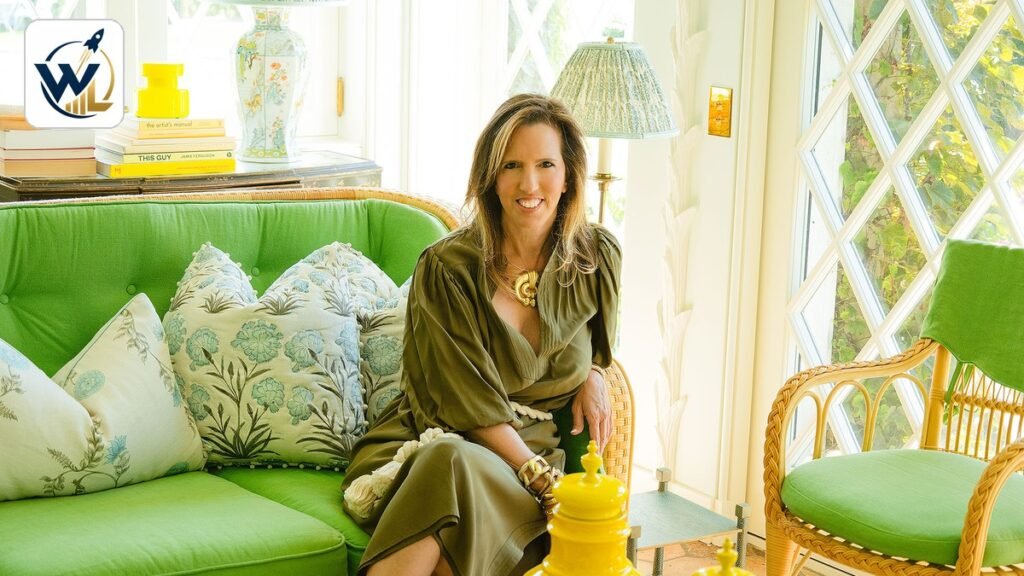
Liz Lange is an American fashion designer and businesswoman best known as the founder of Liz Lange Maternity, the brand that turned maternity wear into designer fashion.
Born Elizabeth Steinberg on November 30, 1966, in Manhattan, she grew up in one of New York City’s wealthiest and most famous families. Her uncle was Saul Steinberg, the corporate raider who built the Reliance Group into a financial empire.
But Lange did not simply live off the family name. After graduating from Brown University in 1988, she worked at Vogue for four years, then founded Liz Lange Maternity in 1997 with $50,000 borrowed from her family. Within a decade, it had become the biggest-selling maternity line in the United States. She sold a majority stake in 2007, worked on HSN, and in December 2020 bought Figue, where she is now CEO and creative director.
Liz Lange Net Worth in 2026
Let us be straight with you: there is no official, audited number for Liz Lange’s net worth. She has never published her finances, and no major financial publication has ever valued her fortune with real documentation. Everything you read online is an estimate.
The most widely cited figure comes from celebrity net worth sites such as IdolSheet and TopStarZone, which both put Liz Lange’s net worth at approximately $5 million (IdolSheet, last updated March 2023; TopStarZone, 2023). That is the number WorthLaunch uses as its headline estimate, because it is the figure most consistently published — but it comes with a big warning label.
Other low-quality websites claim far more: $40 million, $50 million, even over $100 million. None of those sites show their work — no sale document, no tax filing, no named source. They appear to have taken the rumored sale price of her company and declared it her personal net worth. That is not how net worth works.
So here is where WorthLaunch lands: Liz Lange’s net worth in 2026 is estimated at approximately $5 million, based on the most widely published estimates. Treat that as a rough, unverified figure. Her real wealth is almost certainly tied up in her Grey Gardens estate — bought in 2017 for a reported $15.5 million — her Figue business, and whatever she kept from the 2007 sale. The exact number is not publicly known, and anyone who tells you otherwise is guessing.
One site even claims she made Forbes‘ 2015 Richest Self-Made Women list. That is false — the list required a minimum net worth of $250 million. It is a good reminder to check the numbers behind the numbers.
Early Life and Education
To understand Liz Lange, you have to understand the Steinbergs. She was born Elizabeth Steinberg in Manhattan in 1966, the daughter of Bob Steinberg and his wife Kathryn, a realtor. Her uncle was Saul Steinberg, one of the most famous — and feared — corporate raiders of the 1970s and 1980s.
The family started in Brooklyn, where Saul and Bob’s father ran a rubber business. Saul turned that modest beginning into Reliance Group Holdings, a financial conglomerate. At their peak, the Steinbergs were among the richest families in America.
But the Steinberg fortune did not last. In 1999, Reliance’s performance collapsed, with losses of more than $300 million. Saul fired his own brother Bob. By 2001, the company was bankrupt and ordered to liquidate. Lange has been open about how shattering that was — in the same month her family’s company went bankrupt, she was diagnosed with cervical cancer.
Lange attended Brown University, where she studied comparative literature and graduated in 1988. Her degree was not in fashion, but it gave her the instincts to spot a gap in the market that the entire fashion industry had missed.
Liz Lange at Vogue
After Brown, Lange landed what many young women in New York would have considered a dream job: a staff writer position at Vogue. She worked there from 1989 to 1993, learning the fashion business from the inside — how trends are made, how editors decide what matters, and how a brand earns its place in the conversation.
It also put her in the middle of the problem that would become her business: her friends were getting pregnant, and they were miserable in their clothes. The maternity wear on the market was frumpy, oversized, and deeply unflattering, and Lange watched her stylish friends try to squeeze into non-maternity designer clothes because the alternative was so depressing.
After leaving the magazine, she briefly interned for a young designer, Stephen Di Geronimo, and eventually became a partner in his Geronimo label, where the maternity idea began to take shape.
In a 2005 interview with BusinessWeek, Lange described the moment everything clicked. “I had all these pregnant friends come visit me and try to squeeze themselves into non-maternity designer clothes,” she said. “They all complained they couldn’t find anything regular and stylish to wear. That was my aha! moment.”
The fashion establishment did not agree. Her mentor told her there was no demand, and department store buyers told her maternity was not profitable. Everyone told her not to do it. She did it anyway.
Founding Liz Lange Maternity
In 1997, Lange borrowed $50,000 from her family and founded Liz Lange Maternity in a 12-by-12-foot office equipped with only a phone. She had no store, no factory, and no track record. What she had was a clear idea and a list of friends who were willing to try her samples.
The clothes worked. Word spread fast, because the gap in the market was enormous. Pregnant women who had been wearing their husbands’ shirts suddenly had something designed for them that actually looked good.
In 1998, a year after founding the company, Lange opened an 800-square-foot store in midtown Manhattan. The company quickly outgrew it and moved to Madison Avenue in 2000. She later opened flagship stores in Beverly Hills and in Greenville, on Long Island.
The press noticed. The New York Times and Vogue both praised the line’s silhouette, and fashion writers began calling Liz Lange Maternity the first “designer maternity wear.” Within a decade, it had become the biggest-selling maternity line in the United States — all of it started in a room the size of a closet, with one phone and $50,000 of borrowed money.
Lange also chased pregnant celebrities, understanding that when a famous woman is photographed looking beautiful while pregnant, every other pregnant woman in America wants to look like that too. Cate Blanchett wore Liz Lange. So did Cindy Crawford, Mariska Hargitay, Gwyneth Paltrow, Julia Roberts, Kelly Ripa, Brooke Shields, Kate Winslet, and Reese Witherspoon.
A single photo of a pregnant movie star in a form-fitting Liz Lange dress did more for the brand than any advertising campaign could have. It made maternity wear aspirational — something to show off, not hide. The same star power that builds other kinds of fame works differently in fashion — Gal Gadot’s net worth shows how a single famous face can turn a career into an empire — but Lange’s trick was subtler: she made the stars look good, and the stars made her famous.
Nike and Target Deals
By 2001, Liz Lange Maternity was no longer a boutique curiosity. It was a real business, and the biggest names in American retail wanted in.
In August 2001, Lange signed an exclusive deal with Nike to introduce a line of athletic wear for pregnant women — Liz Lange for Nike. Pregnant women wanted to keep exercising, and there was nothing on the market for them.
Then, in 2002, came the deal that changed everything: Target. Lange began a collaboration with the retailer and created a secondary line, Liz Lange for Target. It was sold in stores and online, and it became the retailer’s sole offering in maternity apparel. That is an extraordinary position — one designer, one line, every Target in America.
The Target deal put Lange’s name in front of millions of women who would never walk into a Madison Avenue boutique, and it gave her a steady, large-scale revenue stream. Liz Lange for Target is still the exclusive maternity department at Target locations today, more than two decades later.
Lange’s big moment was supposed to come in September 2001. She had been invited to unveil her line at New York Fashion Week — the first runway show ever held by a maternity designer during Fashion Week — at 9:00 a.m. on September 11. The show never happened. The terrorist attacks that morning stopped it.
Selling Liz Lange Maternity in 2007
By 2007, Liz Lange Maternity was the biggest maternity brand in America, and buyers were circling. That year, Lange sold a majority stake in the company to Bluestar Alliance, a private-equity fund. The Wall Street Journal reported the sale in November 2007.
Here is where the numbers get fuzzy — and where most of the internet gets the story wrong. The sale price was never officially confirmed. Some reports at the time said the business sold for a rumored $50 million to $60 million. Lange herself later told The New York Times that the price was in the range of $20 million to $60 million — a very wide range that suggests the real number was never meant to be public.
Then, in 2012, Cherokee Inc. bought both the Liz Lange Maternity and Completely Me brands for $14 million. That figure is a matter of public record — but it is a company-level number, the price paid for the brands, not a personal payout to Lange, who stayed on as creative director. A company sale price is not a personal fortune.
HSN and Completely Me
Selling a company you built from nothing is a strange experience. Lange has said that after the sale, she realized she had walked away from more than a job. The brand was her identity.
She did not retire. She reinvented herself in public, on television. Completely Me by Liz Lange was her first non-maternity clothing collection, a vacation-wear-inspired line sold exclusively through HSN — live television, direct to the viewer — and it worked.
In 2009, she also founded the website Shopafrolic.com with her sister, Jane Wagman — a shopping site built around the two sisters’ taste in fashion and home.
In 2021, Lange told her family’s story in public, in her own voice. The Just Enough Family is a Sony podcast hosted by Ariel Levy, the New Yorker staff writer and Lange’s close friend. Across its episodes, Lange talks about growing up as a Steinberg — the meteoric rise of her uncle Saul’s empire, the over-the-top parties, the shocking betrayals, and the staggering fall that ended in bankruptcy in 2001. The title comes from a story Lange made up as a child, about a family that had just enough — whereas her family had way too much. The podcast was a hit, and it changed how the public saw her.
Figue
In December 2020, in the middle of the pandemic, Liz Lange did something most people would not have expected from a woman in her mid-fifties: she bought a fashion brand and started over.
The brand was Figue, a New York-based luxury resort-wear label known for its kaftans, bohemian dresses, and soft separates. Figue had been winding down during COVID-19, and Lange — who had been a fan and a customer since the brand began — heard it was closing. She bought it.
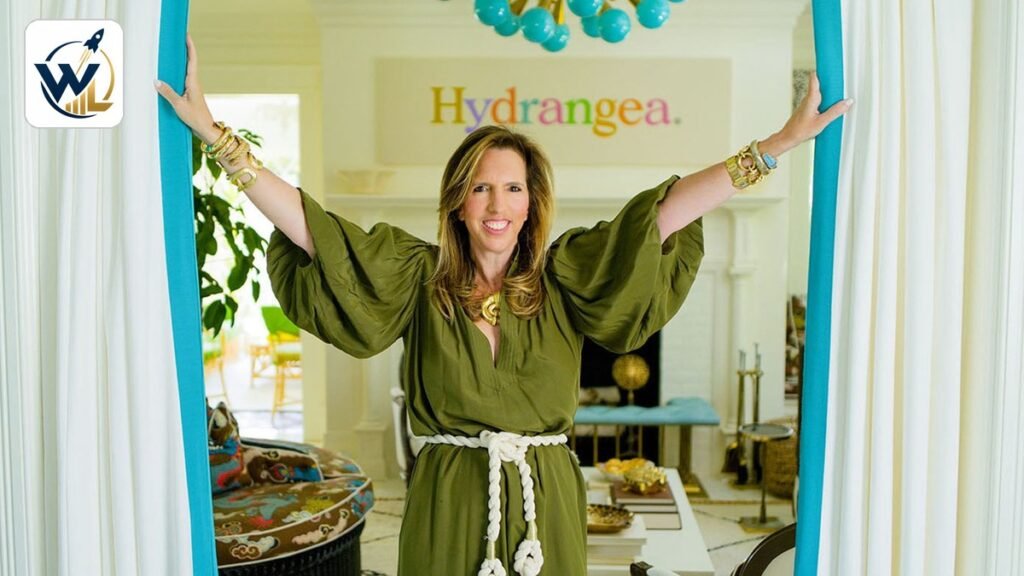
She became its CEO and creative director, and she threw herself into it completely. Figue’s aesthetic is a long way from the clean, urban maternity wear of the 1990s — print-filled, resort-driven, and unapologetically joyful. Lange has joked that she has entered her “caftan years,” and she means it as a compliment to herself.
“I design for myself,” she has said. “In the 90s and early 2000s, there was a cleaner, somewhat urban aesthetic that fit my life. Now, I’m in a more resort-y phase.” Figue is now the center of her working life, and it is why her name is still appearing in fashion magazines in 2026. Fashion journalists keep returning to Lange because her career has had more chapters than most designers get in a lifetime — the kind of media story Morgan Norwood’s net worth covers from the broadcast side.
Grey Gardens
If Figue is Lange’s second act in fashion, Grey Gardens is her second act in life.
Grey Gardens is one of the most famous houses in America. Built in the early 20th century in East Hampton, New York, it was the home of “Big” and “Little” Edie Beale — the aunt and first cousin of Jacqueline Kennedy Onassis — whose lives in the decaying mansion were captured in the legendary 1975 documentary Grey Gardens. The house later belonged to editor Sally Quinn and her husband Ben Bradlee, who restored it.
Lange first encountered the house as a summer rental. In 2015, she and her husband rented it, and she fell in love immediately. “It was love at first sight!” she has said. When Quinn decided to sell after her husband’s death, Lange bought it. The sale closed on December 20, 2017, for a reported $15.5 million.
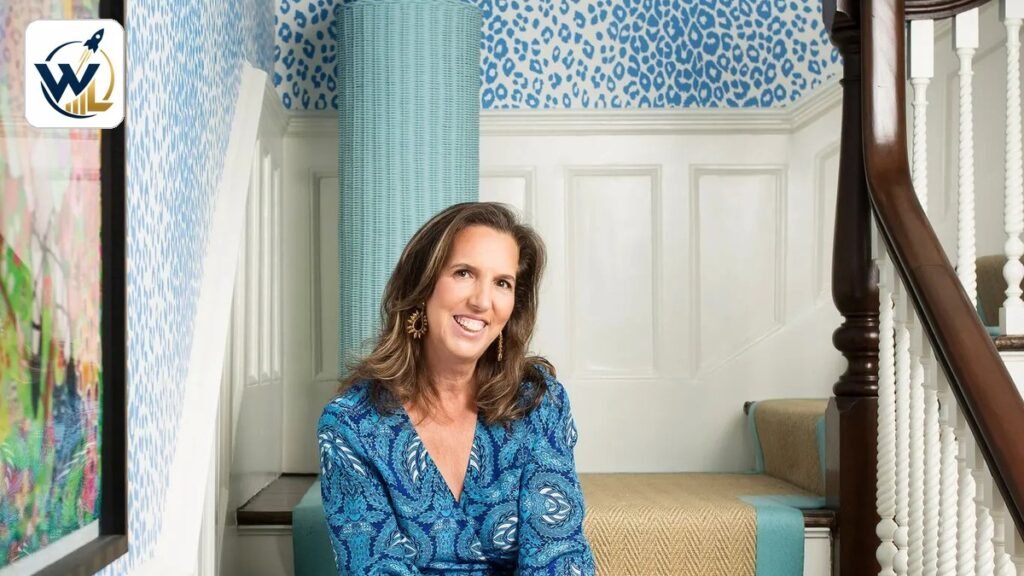
The house is now inseparable from Lange’s public image — the Figue dresses, the sunroom photographs, the staircase with her dog — and it is almost certainly her single most valuable asset. A $15.5 million house in East Hampton is a very different kind of wealth from a fashion brand, and it is one reason the published $5 million net worth estimate should be read with a raised eyebrow. For Lange, Grey Gardens is not just where she lives. It is who she is now — much as Jill Szwed’s net worth shows how a broadcaster’s public image is built on being in people’s homes every day.
How Does Liz Lange Make Money?
Lange has made money in more ways than most fashion designers, because her career has had several distinct chapters.
The first and biggest source was Liz Lange Maternity itself. She founded the company in 1997, built it into the biggest-selling maternity line in the United States, and sold a majority stake to Bluestar Alliance in 2007. The sale price was never officially confirmed, but Lange told The New York Times it was in the $20 million to $60 million range.
The second source was licensing. Her deals with Nike (from August 2001) and Target (from 2002) put her designs in front of millions of customers and gave her a steady revenue stream. The Target line became the retailer’s sole maternity offering, a position it still holds today.
The third source was television. Her Completely Me line on HSN, launched in 2010, was her first non-maternity collection, and it sold directly to viewers through live television. Today, her main income comes from Figue, the luxury resort-wear brand she acquired in December 2020, where she is CEO and creative director. She also earns from her book, Liz Lange’s Maternity Style (2003), and her podcast The Just Enough Family (2021).
| Income Source | Details |
|---|---|
| Liz Lange Maternity sale (2007) | Majority stake sold to Bluestar Alliance; Lange said the price was in the $20M–$60M range |
| Cherokee Inc. acquisition (2012) | Liz Lange Maternity and Completely Me brands bought for $14M (company-level sale) |
| Target licensing | Liz Lange for Target, the retailer’s exclusive maternity line since 2002 |
| Nike partnership | Liz Lange for Nike maternity activewear, launched 2001 |
| HSN | Completely Me by Liz Lange, exclusive women’s wear line from 2010 |
| Figue | Luxury resort-wear brand acquired December 2020; Lange is CEO and creative director |
| Book and media | Liz Lange’s Maternity Style (2003), podcast, speaking and press |
Business Ventures and Investments
Lange’s business career is a series of reinventions, not a single company. Each venture taught her something, and each one opened the next door.
Liz Lange Maternity was the first and most important venture. It proved that a niche nobody in fashion respected — maternity wear — could support a national brand with flagship stores and licensing deals with Nike and Target.
Shopafrolic.com, founded in 2009 with her sister Jane Wagman, was a smaller, more personal venture — a shopping site built around the two sisters’ taste in fashion and home.
Figue is the venture that matters most today. Lange bought the brand in December 2020, when it was winding down during the pandemic, and rebuilt it around her own life and style. As CEO and creative director, she controls the design, the brand, and the business. Unlike the maternity company, which she sold, Figue is hers — and its value is tied directly to her name and her work.
Her investments beyond fashion are not publicly documented. What is known is that her wealth sits mainly in two places: her businesses and her real estate.
Real Estate and Other Assets
Lange’s most important asset is almost certainly her real estate — above all, Grey Gardens. The East Hampton estate, bought on December 20, 2017, for a reported $15.5 million, is one of the most famous houses in America. Lange has restored it and made it her home, and it has become the visual center of her public image: the Figue dresses, the sunroom photographs, the garden parties. The family also keeps a home in Manhattan, where Lange was born and where her career began, and splits its time between the two.
Beyond real estate, her other significant asset is Figue itself — the brand she owns and runs. Its exact value is not public. But as owner, CEO, and creative director, Lange holds whatever equity the brand carries, along with the income it generates. There are no public records of other major assets.
Awards and Recognition
Lange’s work has been recognized by the fashion press, by medical institutions, and by the industry she helped to change.
In 2013, she received the Spirit of Achievement Award from the Albert Einstein College of Medicine at Yeshiva University, recognizing her advocacy for cancer prevention and treatment after her own diagnosis in 2001.
Her fashion work earned praise from the most important names in the business. The New York Times and Vogue both praised the silhouette and design of Liz Lange Maternity, and fashion writers credited her with creating the first “designer maternity wear.” That recognition mattered more than any trophy.
Personal Life and Family
Lange married Jeffrey Lange, a corporate lawyer, in 1996. They have two children: a son, Gus, and a daughter, Alice. The family splits its time between Manhattan and East Hampton, at Grey Gardens.
At the age of 35, in October 2001 — the same month her family’s company was ordered to liquidate — Lange was diagnosed with cervical cancer. She underwent a hysterectomy, radiation treatment, and chemotherapy, and she spoke publicly about the illness with People and USA Today.
She later became an advocate for cancer prevention and treatment, working with organizations such as Baby Buggy and the Ovarian Cancer Research Fund. She is a woman who lost a family fortune, survived cancer, sold a company, and started again — twice.
Famous families shape the people in them, for better and worse. Erika Tureaud’s biography tells a similar story from a different world — the daughter of a famous father, building her own identity in his shadow. Lange’s version is quieter, but it runs through everything she has done: the daughter of a fallen empire who built her own.
What Is Next for Liz Lange’s Career and Wealth?
At 59, Lange shows no sign of slowing down. Figue is the center of her working life, and it is the brand most likely to shape the next chapter of her wealth.
Figue gives her something Liz Lange Maternity never did: full control. She owns the brand, runs it as CEO, and designs it as creative director. If Figue keeps growing, her wealth could grow with it — but fashion is unpredictable, and Figue’s value is not public, so any prediction here is guesswork, not fact.
Grey Gardens is the other half of the picture. East Hampton real estate has historically held its value well, and a house as famous as Grey Gardens carries a premium that ordinary property does not.
Frequently Asked Questions
What is Liz Lange’s net worth in 2026?
Lange’s net worth is estimated at approximately $5 million, according to the most widely published estimates (IdolSheet, last updated March 2023; TopStarZone, 2023). This is an approximate estimate, not a confirmed figure. Other websites claim $40 million to over $100 million, but those figures have no named source.
How did Liz Lange make her money?
Lange made her money by founding Liz Lange Maternity in 1997, building it into the biggest-selling maternity line in the United States, and selling a majority stake to Bluestar Alliance in 2007. She also earned income from licensing deals with Nike and Target, her HSN line Completely Me, and her current role as CEO and creative director of Figue, which she acquired in December 2020.
How much did Liz Lange sell her company for?
The sale price was never officially confirmed. Lange told The New York Times it was in the range of $20 million to $60 million. Other reports at the time rumored $50 million to $60 million.
Is Liz Lange related to Saul Steinberg?
Yes. Liz Lange was born Elizabeth Steinberg, and Saul Steinberg — the corporate raider who built Reliance Group Holdings — was her uncle. She tells the story of the family’s rise and fall in her 2021 Sony podcast, The Just Enough Family.
What is Liz Lange doing now?
Lange is the CEO and creative director of Figue, the luxury resort-wear brand she acquired in December 2020. She lives between Manhattan and East Hampton, where she owns and restored the famous Grey Gardens estate.
Who is Liz Lange’s husband?
Liz Lange married Jeffrey Lange, a corporate lawyer, in 1996. They have two children together, a son named Gus and a daughter named Alice.
Did Liz Lange have cancer?
Yes. Lange was diagnosed with cervical cancer at the age of 35, in October 2001. She underwent a hysterectomy, radiation treatment, and chemotherapy.
Net worth figures on WorthLaunch are estimates based on public reports, salaries, endorsements and business records.
Final Thoughts
Liz Lange’s story is not really a story about a number. The number — $5 million, approximately, according to the most widely cited estimate (IdolSheet, March 2023; TopStarZone, 2023) — is the least interesting thing about her.
She survived the loss of a family fortune and a battle with cancer in the same terrible month, and she came out the other side willing to tell the whole story in public. That takes a kind of courage that has nothing to do with money.
So is Liz Lange a millionaire? Almost certainly, yes — several times over, if her Grey Gardens estate and her Figue business are counted honestly. Is her net worth exactly $5 million? Nobody knows. The $5 million figure is the most widely cited estimate (IdolSheet, March 2023; TopStarZone, 2023), and WorthLaunch reports it as an estimate, not a fact.
For more visual inspiration from her world — the Figue dresses, the Grey Gardens colors, and the caftan era she has embraced — see the Liz Lange Net Worth collection on Pinterest.